Fundraising Tips for Nonprofits: Lessons from $1 Billion Raised
Published
December 5, 2025

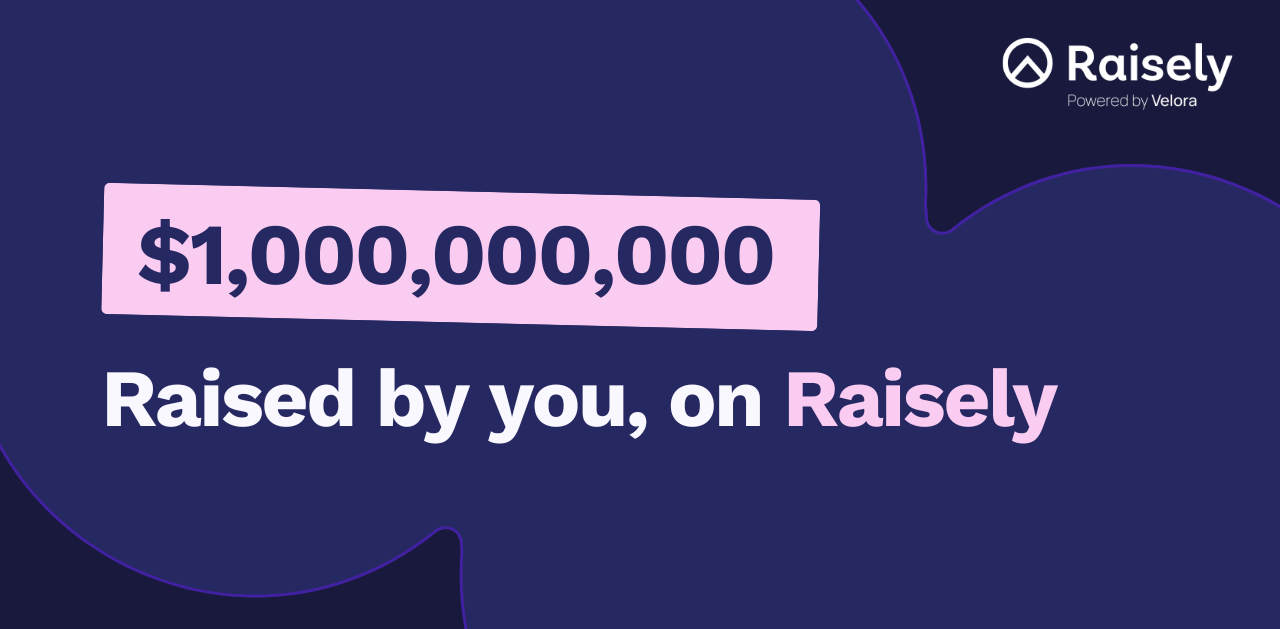
Nonprofits using Raisely have collectively raised over $1 billion for their causes worldwide, with nonprofit organizations from various sectors such as arts, faith-based, and healthcare, contributing to this incredible milestone.
Over 5,000 organizations across 50+ countries have used the platform to run more than 26,000 campaigns, powered by 7 million donors who said “yes” when it mattered.
To celebrate this milestone, we went straight to the source. We asked the fundraisers behind that number to share their best advice. What actually worked? What flopped? What do they wish they’d known before launching their first campaign? Many of these lessons are drawn from fundraising success stories across the nonprofit sector, highlighting proven strategies that drive results.
The result is a collection of 15 tips, tricks, and lessons learned from some of the most effective fundraisers in the nonprofit space. These aren’t theoretical best practices from a textbook. They’re battle-tested nonprofit fundraising strategies from people doing the work every day.
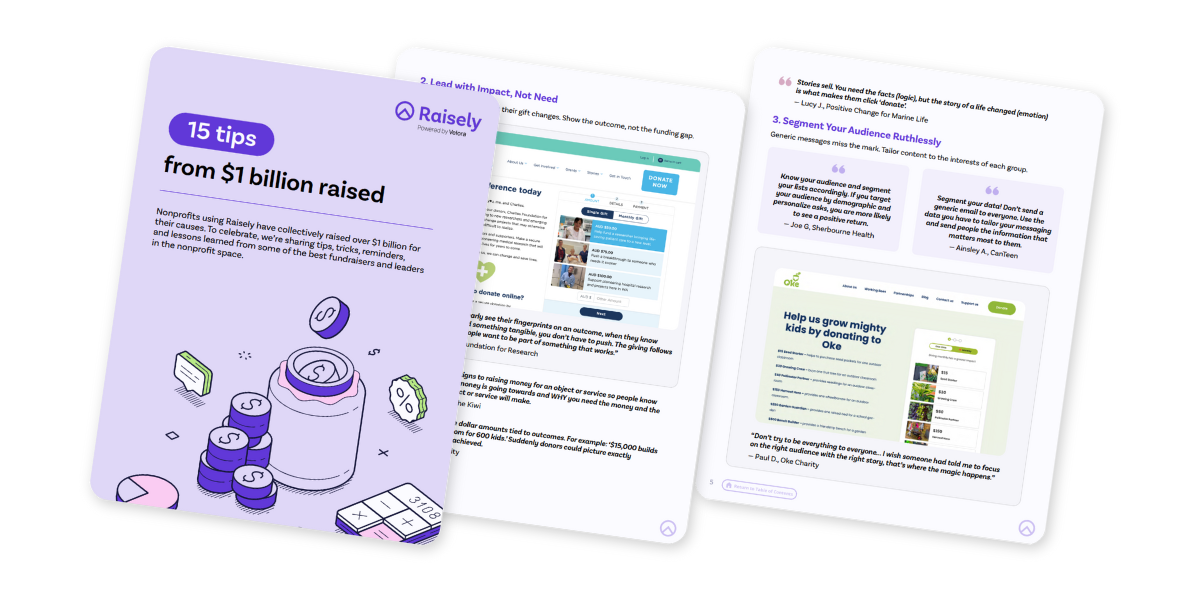
This post covers 7 of those tips to give you a taste. For all 15 strategies, plus campaign screenshots and implementation guidance, download the full guide below.
Want all 15 tips? Download the complete guide: 15 Tips from $1 Billion Raised
[HR]
This was the number one piece of advice shared by fundraising experts: just ask.
It sounds almost too simple to be useful. But here’s the truth: many nonprofits spend so much time crafting the perfect message, building the perfect page, and waiting for the perfect moment that they forget to actually make a clear, direct request.
People want to help. Studies consistently show that most donors give because someone asked them to, not because they stumbled upon a donation page on their own. The ask is the catalyst. Without it, even the most passionate supporters may never take action.
The fundraisers we spoke to were emphatic about this point.
“The biggest mistake is being afraid to ask. If you’re solving a genuine problem, people want to be part of the solution.”
“Don’t be afraid to ask for money. If you have a good cause, and a clear reason for why you need the funds, people will donate.”
“Just ask. So many people care deeply about your mission but will never give unless you invite them to. Don’t overthink it. Clear, genuine asks create opportunities for supporters to step up and be part of your impact.”
This doesn’t mean being pushy or aggressive. It means being direct. State what you need, why you need it, and how someone can help. Then actually ask them to do it.
Clear, direct requests are essential to encourage donations from your supporters.
The takeaway: Be brave. Be clear. Ask.
Here’s a common mistake in nonprofit fundraising: leading with the problem instead of the solution.
“We need $50,000 to keep our programs running” tells donors what you need. But donors don’t give to fill budget gaps. They give to create change. They want to see what their gift will do, not just that you need it.
When you tie donations to tangible outcomes, something shifts. Suddenly, donors can picture exactly what their support achieves. That $50 isn’t just money anymore. It’s a week of meals for a family. It’s school supplies for a classroom. It’s a rescue animal finding a home.
This reframe, from “we need funding” to “here’s what your gift does,” changes everything.
“Link all your campaigns to raising money for an object or service so people know exactly what their money is going towards and WHY you need the money and the BENEFITS that object or service will make.”
“Adding clear, simple dollar amounts tied to outcomes (for example: ‘$15,000 builds an Outdoor Classroom for 600 kids’) suddenly meant donors could picture exactly what their support achieved.”
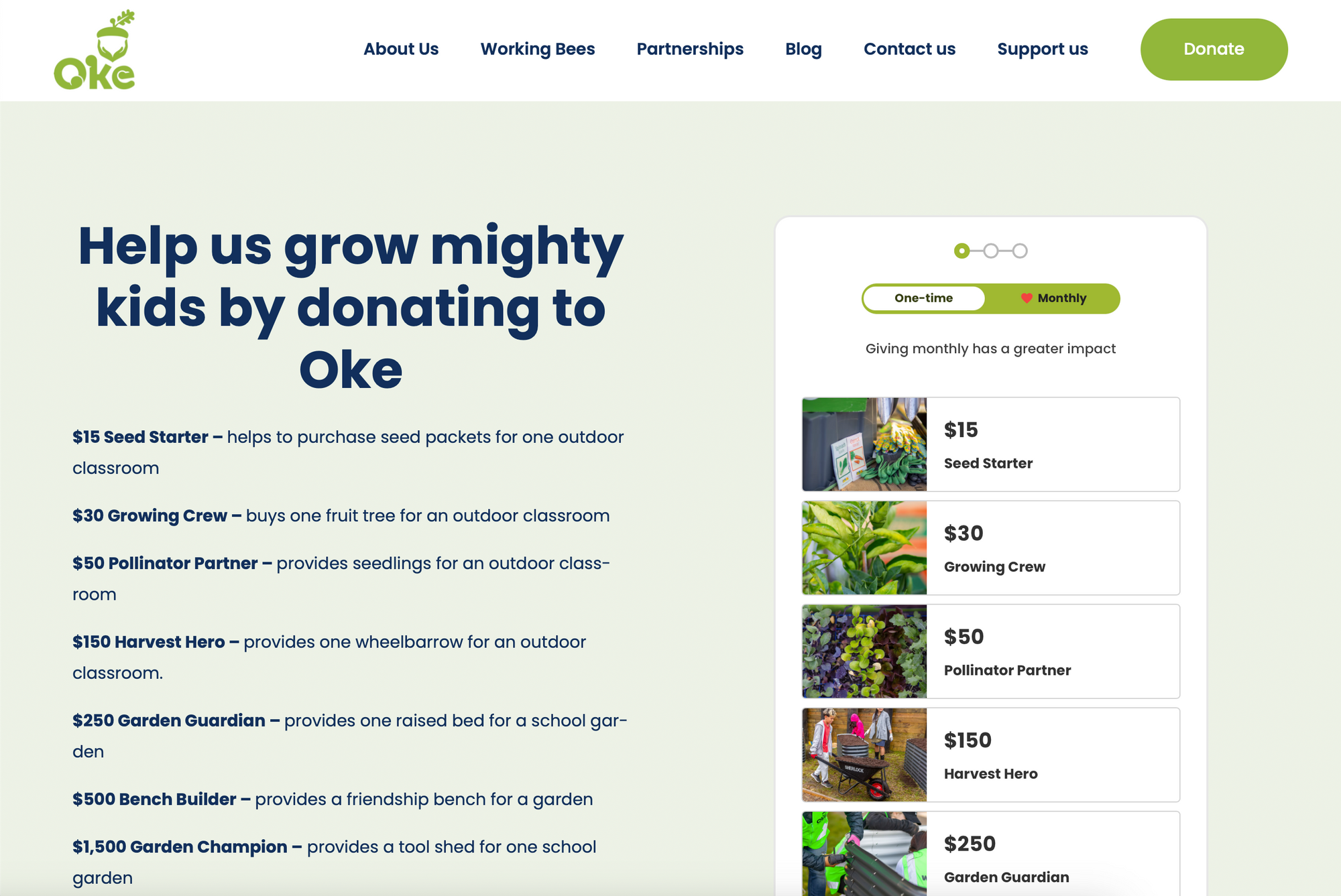
“When donors can clearly see their fingerprints on an outcome, when they know their gift has changed something tangible, you don’t have to push. The giving follows naturally, because people want to be part of something that works.”
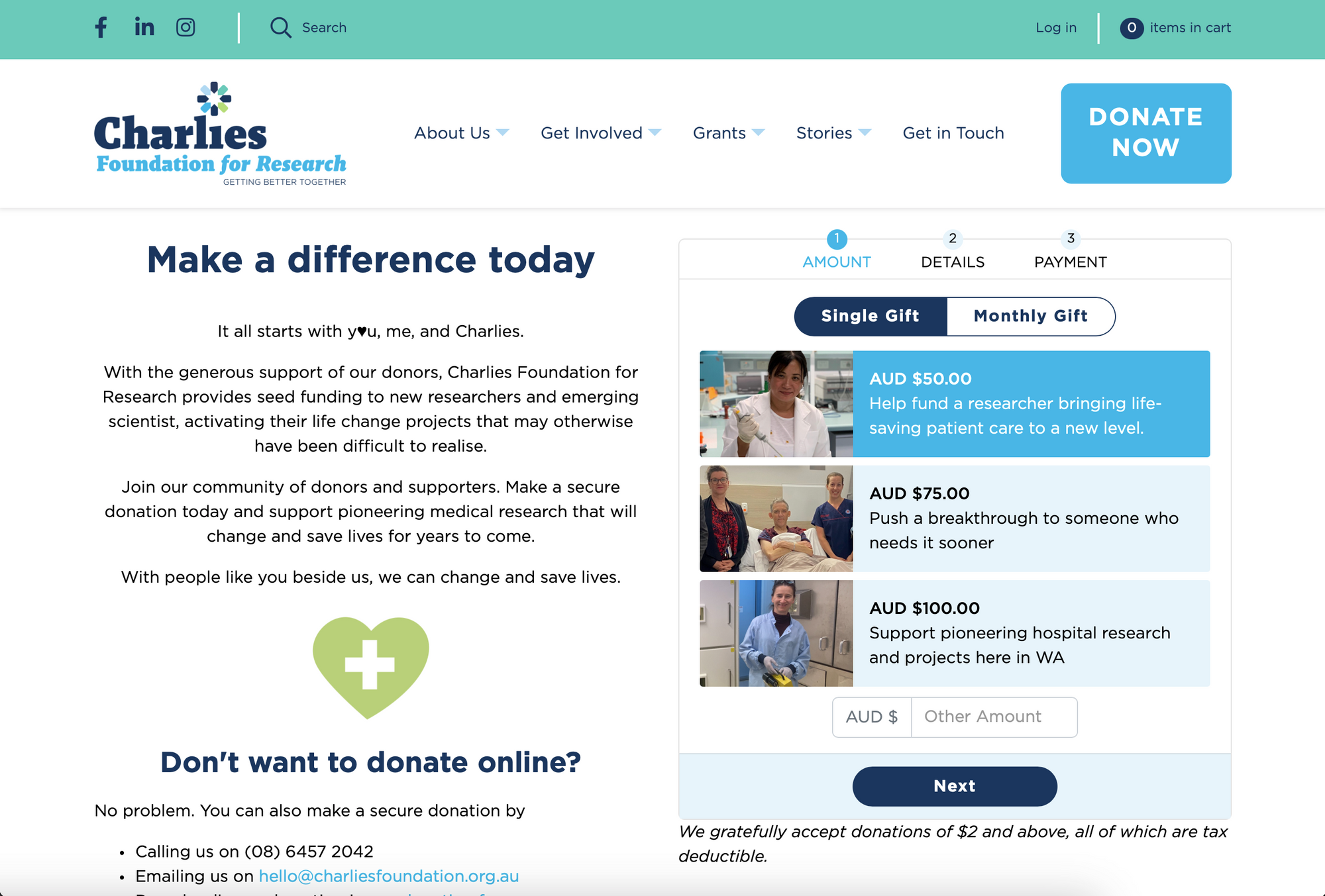
The practical application here is straightforward: audit your donation page and campaign materials. Are you talking about what you need, or what donors can accomplish? Effective fundraising appeals focus on the impact and outcomes donors can achieve, using storytelling to connect emotionally and motivate action. Rewrite your copy to center the donor as the hero of the story.
The takeaway: Show the outcome, not the funding gap.
If you’re sending the same email to your entire list, you’re leaving money on the table.
Generic messages miss the mark because different donors have different motivations, histories, and relationships with your organization. Creating donor segments using donor data is key to effective segmentation because it allows you to tailor your communication and stewardship strategies to each group for better engagement and giving outcomes. A first-time donor needs a different message than a five-year recurring giver. Someone who attended your gala last year cares about different things than someone who found you through a Google search yesterday.
The fundraisers we spoke to emphasized this point repeatedly: tailor your content to each audience segment.
“Segment your data! Don’t send a generic email to everyone. Use the data you have to tailor your messaging and send people the information that matters most to them.”
“Know your audience and segment your lists accordingly. If you target your audience by demographic and personalize asks to your target audience, you are more likely to see a positive return.”
“Don’t try to be everything to everyone… I wish someone had told me to focus on the right audience with the right story. That’s where the magic happens.”
You don’t need a sophisticated marketing automation platform to start segmenting. Even simple segments can make a difference:
The more relevant your message, the more likely it is to convert.
The takeaway: One message doesn’t fit all. Personalize your approach.
Every extra click, every unnecessary form field, every confusing step in your donation process is a chance for someone to drop off.
Friction kills conversions. The fundraisers we interviewed were unanimous: the simpler and clearer your donation experience, the more people will complete it.
This applies to everything from your landing page design to the number of fields on your form. Strip back to the essentials: a compelling story, a clear impact statement, and a prominent donate button. That’s it. An optimized online donation form is essential for a smooth donation online experience, helping to build trust and make it easy for supporters to give.
“Simplicity is key. A clean, simple Raisely page and comms that clearly outline the goal and the impact will always perform better than an over-complicated design or message.”
“Less is more with the design. We found that stripping back the landing page to its essentials (story, impact, and donation buttons) gave us a higher conversion rate.”
“Optimise your landing page for mobile. Ensure your sign up button is high up so no user needs to scroll down. No one likes to scroll! Make it as easy as possible for users to sign up on mobile.”
Mobile optimization is especially critical. More than half of nonprofit website traffic now comes from mobile devices. If your donation form requires pinching, zooming, or excessive scrolling on a phone, you’re losing donors.
A well-designed online donation form can also help manage donor information efficiently, making it easier to engage supporters and track campaign results.
A good test: try to complete a donation on your own site using only your phone. Time yourself. Note every moment of confusion or frustration. Then fix those issues.
The takeaway: Ruthlessly simple donation processes convert more donors.
Here’s a small change that can have an outsized impact on your fundraising results: the default donation amount on your form.
When donors land on your donation page, they’re often unsure how much to give. The suggested amounts you display serve as anchors. They signal what’s “normal” and appropriate. If your default options are $10, $25, and $50, you’ll get different results than if they’re $50, $100, and $250.
The fundraisers we surveyed consistently pointed to this as one of the easiest wins.
“Changing default donation amounts. We’ve implemented this both on our Raisely websites and on things like hired Eftpos machines. It’s a game changer.”
“Be brave with your default amounts! If your average gift is $50, try bumping the default to $75 and see what happens. You’ll be surprised.”
“Personalising the suggested donation amounts based on previous giving history. This is the single small change that made the biggest financial impact.”
“In a recent campaign, we increased the default amount in our donation form. Despite the chaotic economy this year, compared to our same campaign last year, we had fewer donors but we raised more money and in less time.”
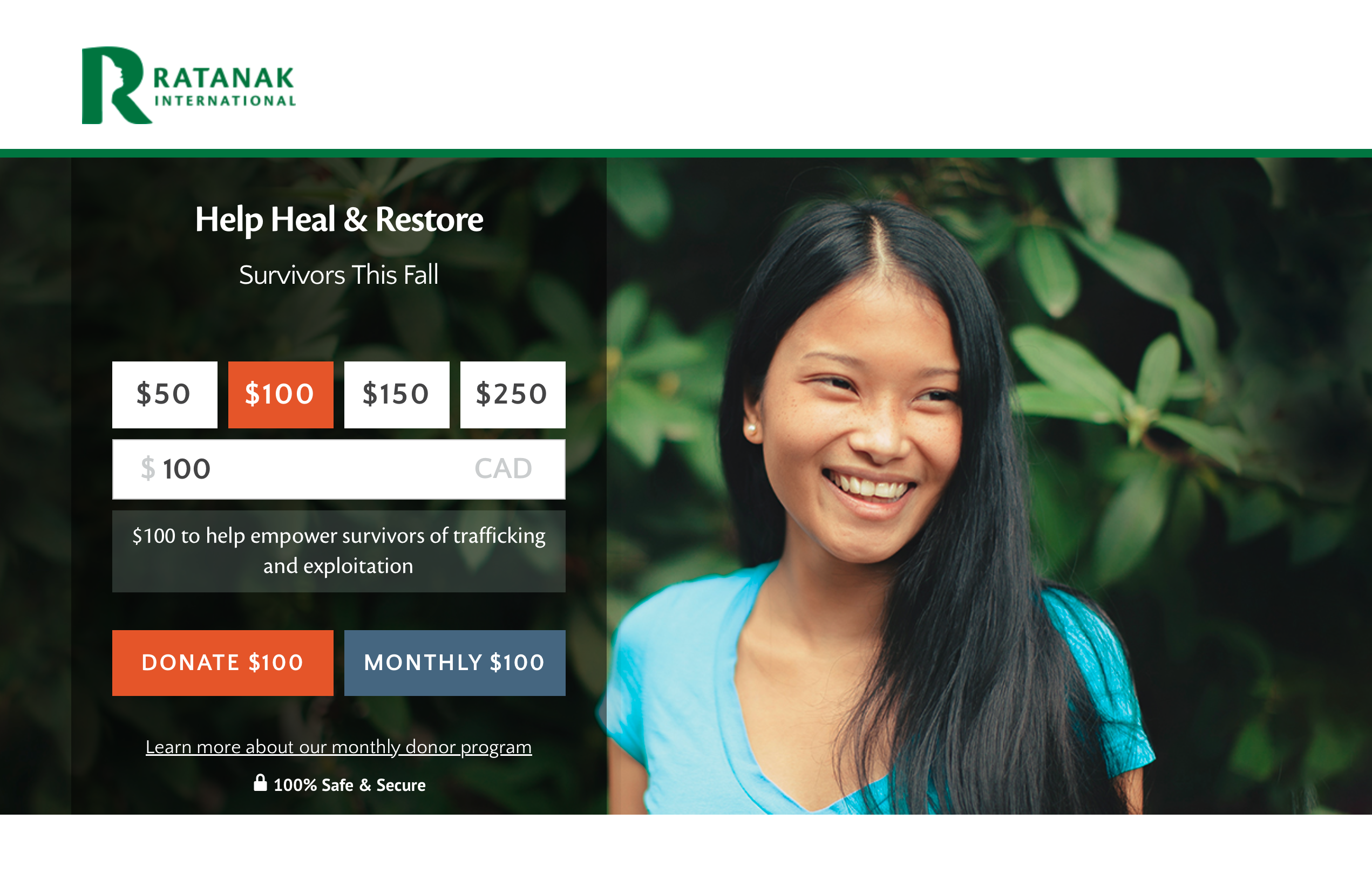
The key insight from that last quote is important: higher defaults might mean fewer total donors, but often result in more total revenue. It’s a trade-off worth testing.
If your platform supports it, consider dynamic or personalized defaults based on a donor’s previous giving history. A returning donor who gave $100 last year might respond well to seeing $100, $150, and $200 as options this year.
Additionally, offering recurring giving options like a monthly giving program on your donation form can significantly increase recurring donations and boost your overall fundraising results.
The takeaway: Test higher defaults. The results may surprise you.
Urgency is one of the most powerful tools in fundraising.
Without a deadline, donors have no reason to give today. They think, “I’ll do it later.” But later often means never. Life gets busy, the email gets buried, and the intention to give fades away.
A deadline (whether it’s a fundraising campaign end date, a matching gift window, or a specific funding milestone) creates the psychological pressure to act now. It transforms vague intention into concrete action.
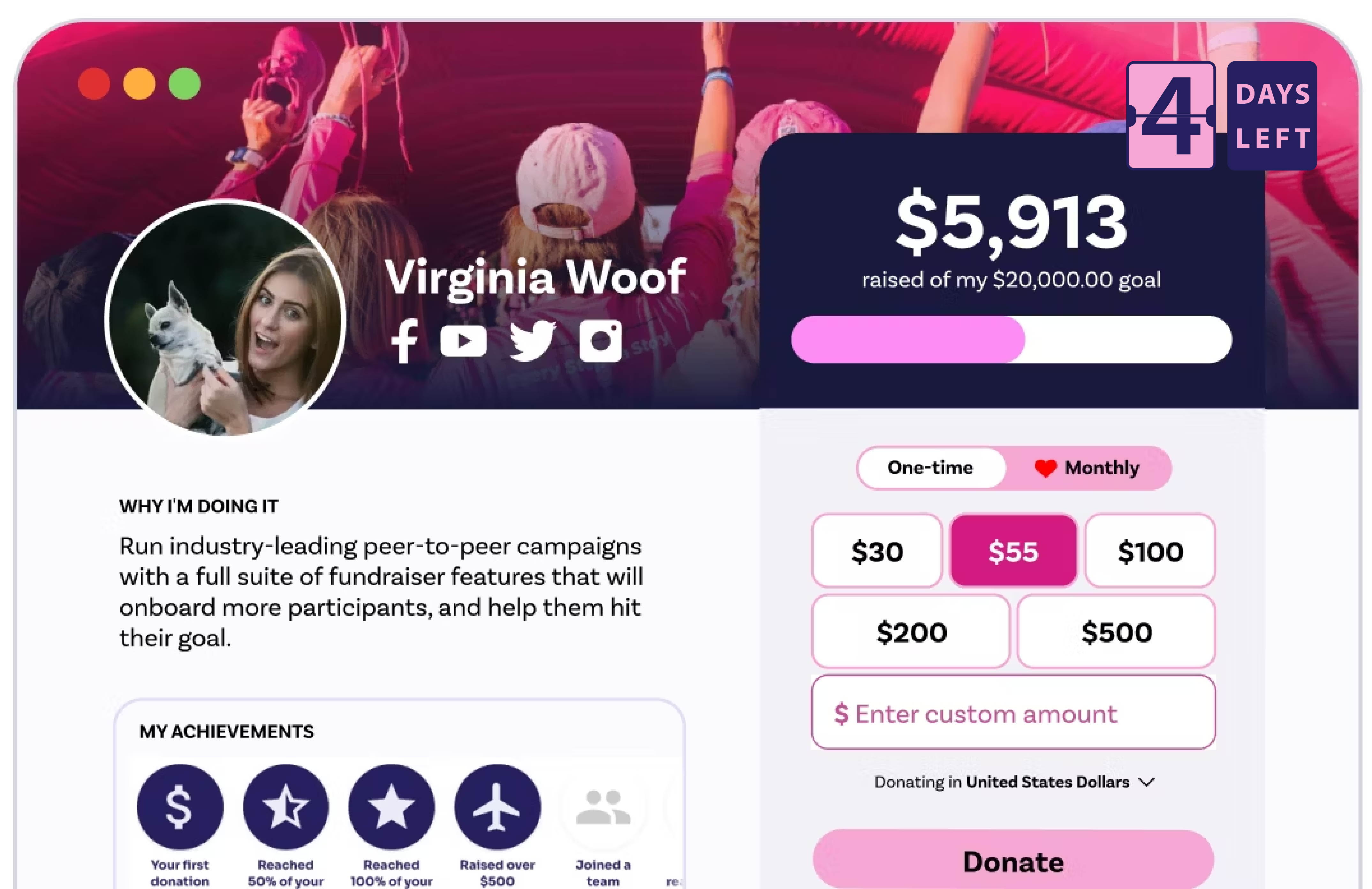
“Setting a deadline for when we needed the money by and that urgency actually created the donations we needed.”
“Matched giving days created an instant spike in our donations. The power of a donor’s money being doubled is an unbeatable motivator.”
“Matching funding has always given a big boost and a great reason to share the campaign with a new audience (the matching partner).”
“Creating a countdown timer on the page for an urgent, specific need was one of the most effective unconventional tactics we’ve used.”
Matching gift campaigns are particularly effective because they combine urgency with impact multiplication. When donors know their gift will match donations and be doubled, but only if they give by Friday, you’ve given them two compelling reasons to act immediately.
If you don’t have a matching donor, you can still create urgency with fundraising campaign end dates, limited-time challenges, or milestone goals (“Help us reach 100 donors by midnight!”).
The takeaway: Give donors a reason to act today, not “someday.” Invite donors to participate in limited-time opportunities to maximize their impact.
Perfection is the enemy of progress. This is especially true in fundraising.
Many organizations delay launching campaigns because they’re waiting for the perfect copy, the perfect design, the perfect moment. But the fundraisers behind $1 billion raised offered consistent advice: launch, learn, and improve.
You don’t need everything figured out before you start. Get to 80%, launch, and refine based on real-world feedback. The data you gather from an imperfect campaign is infinitely more valuable than the hypothetical data from a perfect campaign that never launches.
“If you wait for perfection, you’ll never launch. We found that launching at 80% and learning from the first week was better than waiting another month for 100%.”
“Don’t wait for the perfect day to launch. Launch with what you have, and constantly improve and iterate as the campaign goes on.”
“The one tip I wish I had known was to start sooner! You can always refine things along the way, but you can’t make up for lost time.”
This mindset applies beyond individual campaigns. The most successful fundraising programs are built through continuous iteration: testing subject lines, experimenting with donation amounts, trying new channels, and learning from what works and what doesn’t. Regularly evaluate your current fundraising strategy to identify strengths and areas for improvement, and use these insights to inform your overall fundraising plan.
Every campaign is a learning opportunity. Treat it that way and apply the lessons learned to improve your future campaigns.
The takeaway: Ship, learn, improve. Repeat.
The strategies above come directly from nonprofits that have collectively raised over $1 billion. But this is just a sample.
The full guide includes 8 more tips covering:
Plus, you'll get real campaign screenshots, implementation tips, and insights from fundraising professionals who've been in the trenches.
Download the full guide: 15 Tips from $1 Billion Raised
[HR]
With another B Corp recertification done and dusted, we are certainly proud of our new score and well aware of the progress that will continue! Want to join us and team up with the fundraising platform that shares your mission? 🙋🏼♀️