The Power of Nonprofit Branding: How to Engage Your Audience
Published
May 28, 2025


A strong nonprofit brand is the key to standing out, building trust, and making missions more memorable. When done right, it can turn a casual, one-time supporter into a loyal advocate who champions your cause with their time and resources.
Creating a strong nonprofit brand goes beyond aesthetics—it’s about crafting the right messaging and understanding your audience’s expectations to form deep emotional connections with your supporters.
To create a brand that sticks, you’ll need to build yours on a foundation of consistency and authenticity. Whether you’re encouraging donations, promoting an event, or asking for volunteers, your marketing materials will resonate more strongly with your community when they reflect these values, making your nonprofit feel more relatable and trustworthy. Let’s walk through some tips for doing just that!
Before diving into specific nonprofit branding elements, you’ll need to understand who you’re speaking to with your marketing materials. Knowing your audience will help you create messaging that resonates with their passions and needs.
Focus on your typical supporter’s motivations, values, and concerns. A great way to do this is by creating audience personas, which are fictional representations of the different groups you want to reach based on real data about your supporters, such as donors, volunteers, advocates, and corporate sponsors.
Double the Donation’s direct marketing fundraising guide recommends including these elements in each persona:
You can even give each persona a name and backstory to make it more realistic. Aligning your brand with each segment’s core values and interests will make your nonprofit seem more relatable and worthy of support. You’ll be able to craft messages and visuals that tap into the emotional triggers that drive your supporters, whether it’s empathy for those in need or a desire to fight for justice.
Picture this: A donor receives a postcard in the mail, inviting them to contribute to your latest fundraising campaign. The postcard features a warm, inviting pink and peach colour palette. It also features a heartwarming photo of a dog from your shelter, eagerly waiting for a new home. Inspired, the donor decides to visit your website to learn more.
But when they land on your nonprofit’s site, the experience feels disjointed. Instead of the welcoming pastel tones they saw on the postcard, they’re greeted by a bold ocean blue and white colour scheme. The site is filled with playful, abstract illustrations of animals instead of the actual faces of the pets they could help.
This visual misalignment leaves the donor feeling confused. They are unsure whether they have found the correct organisation and may not trust that your cause is legitimate. Ultimately, they leave your website without contributing.
To avoid this, you’ll want to aim for visual consistency across your marketing materials, which is a big part of building brand recognition. No matter where someone encounters your marketing materials, they’ll recognise your cause.
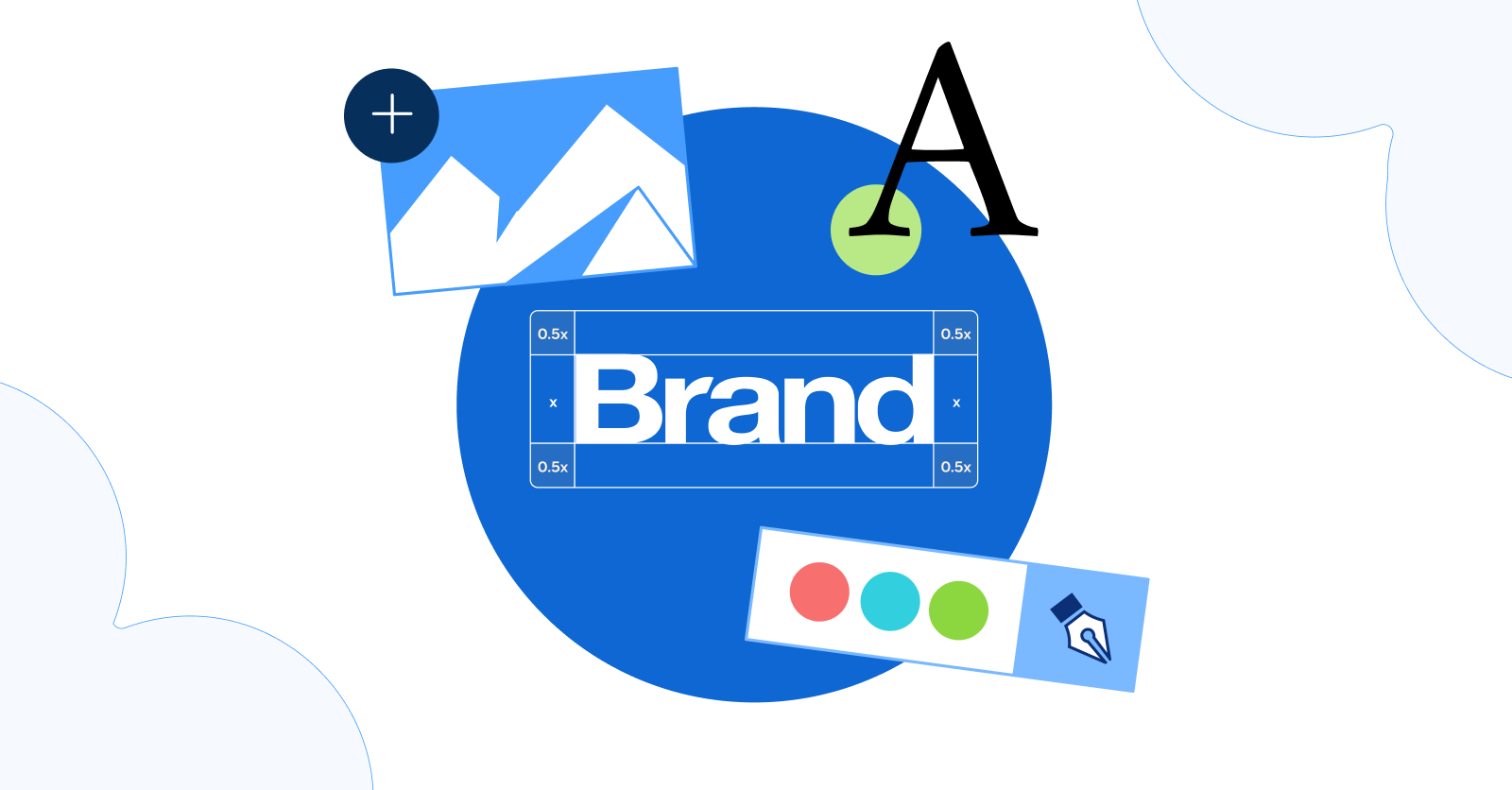
When creating your nonprofit’s brand guide, define key visual elements, such as your:
Think of your nonprofit’s brand voice as representing its personality. It should be consistent and authentic, whether it’s formal or informal, friendly or authoritative. Your messaging should reflect the values and emotions that you want to convey.
For example, if your nonprofit focuses on social justice, your voice might be empowering and action-oriented. If you're working on environmental causes, your tone could be urgent and hopeful. Similar to using consistent visuals, be sure to maintain this tone across all platforms, from your nonprofit’s emails to social media captions.
With your preferred tone in mind, it’s time to develop true, mission-related stories that resonate with your audience’s values.
Authentic storytelling reflects your nonprofit’s real work, not just idealised versions. Be honest about challenges, but also focus on the real, positive change your organisation is driving.
Start by thinking about what your nonprofit does, why it does it, and how your audience fits into that story. Essentially, you’ll explain who your main character is (typically someone your nonprofit serves), how your nonprofit helps them, and the role your supporters play in making that work possible.
You might lay out these key elements of your story:
With these elements in mind, a local nonprofit focused on youth education might tell the story of how a seventh-grade student named Maria overcame her struggles with reading. She joined their after-school program where she worked with a volunteer mentor. Within a few months, she wasn’t just passing her English class and reading at grade level—she had even started checking out books from her school library to read for fun!
By sharing Maria’s journey from struggling to success in and out of school, the nonprofit can show the impact of its work and emphasise gratitude for the volunteers and donors who helped make it all possible.
A strong nonprofit brand is built on more than just a logo and colours. Its foundation relies on consistency across both visuals and messaging. Remember that branding is an ongoing process—regularly revisit your brand guide to ensure it stays relevant to your mission and its supporters, and consider rebranding if this is no longer the case.
When done well, a powerful nonprofit brand fosters familiarity and trust. It reflects the heart and soul of your organisation, allowing you to build an engaged community that’s excited to be part of your journey.
With another B Corp recertification done and dusted, we are certainly proud of our new score and well aware of the progress that will continue! Want to join us and team up with the fundraising platform that shares your mission? 🙋🏼♀️